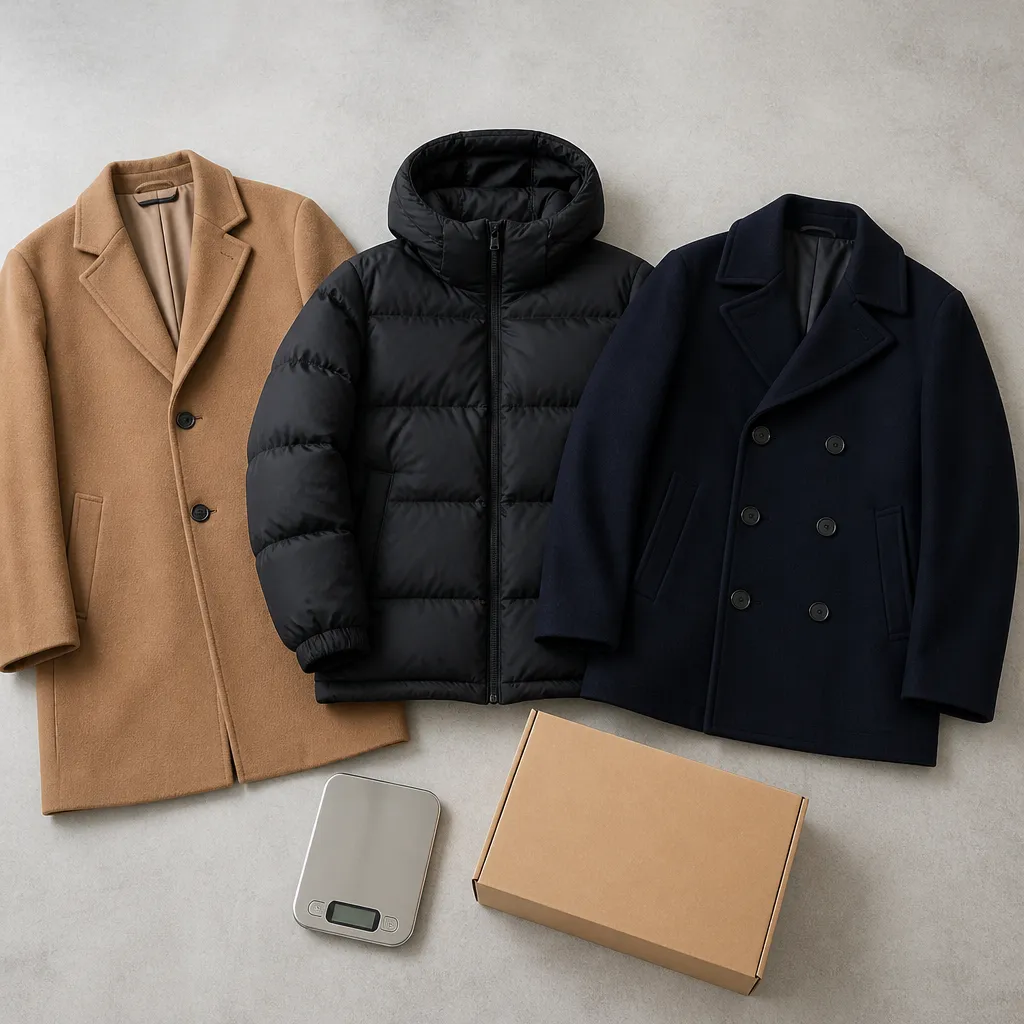
Winter is when outerwear sells, and it is also when a bad platform choice costs you the most. A wool coat or a down jacket can sit unsold for weeks on the wrong site, or lose its margin to shipping on the right one. So the real question is not which of the three is best overall, but which one fits each item in your closet. This guide compares eBay vs Poshmark vs Vinted for clothing resellers, looks at fees and shipping weight, and gives you a practical split to use before the next cold snap.
Table of Contents
- Quick Takeaways
- How the Three Platforms Differ for Clothing
- Who Shops on Each Platform
- Fees and What You Actually Keep
- Shipping Winter Coats and Boots
- Side-by-Side Comparison
- Best Platform for Each Clothing Type
- Crosslisting and a Winter Listing Plan
- Frequently Asked Questions
- References
Quick Takeaways
| Key Insight | Explanation |
|---|---|
| Match the item to how buyers search | Branded and technical outerwear sells best on eBay, where buyers type model names and sizes. Put the model name and key specs in the title. |
| Price on net, not sticker | Run the fee and shipping math for each platform before you set a price. A coat that clears on one site can lose money on another. |
| Weigh before you list | Shipping cost scales with weight, not sale price. Heavy wool and insulated pieces can wipe out the margin on a lower-priced listing. |
| Send everyday layers to Vinted | Vinted buyers browse everyday clothing by category and size, and they expect lower prices on fleece, knitwear, and basics. |
| Use Poshmark for styled, brand-led closets | Poshmark rewards a consistent closet and active sharing. Post new winter pieces on a regular schedule rather than in one batch. |
| Approve every draft before it goes live | Crosslisting saves time only if each listing is checked, and auto-delisting stops the same coat from selling twice. |
How the Three Platforms Differ for Clothing
The three sites look similar from the seller side, since each one asks for photos, a title, a size, and a price. Buyers use them very differently. eBay is a search-first marketplace where shoppers type a model name or size and sort by price, so a well-titled item can find its buyer even if your shop has no following.
Poshmark works more like a social shop. Buyers follow closets, share listings, and tend to reward sellers who post often and keep their listings fresh. Vinted leans toward everyday clothing at lower price points, and its buyers usually filter by category, brand, and size. That difference matters in winter. A technical parka is a search problem, a styled cardigan is a social problem, and a plain fleece is a price problem. Match the item to the buyer behavior first, then worry about fees.
In practice, I would not list the same item with identical copy everywhere. The eBay title should carry the brand, model, and size, since that is what buyers type. The Poshmark description should explain how the piece wears and what it pairs with, because shoppers read for style. Vinted buyers want honest condition notes and a clear size, with fewer decorative words. The same jacket can need three slightly different listings to perform well.
Who Shops on Each Platform
Buyer intent shapes which platform gives you the fastest sale, so it helps to think in terms of who is shopping in January. Each marketplace attracts a different kind of customer, and those customers search, scroll, and buy in different ways.
Search-driven buyers on eBay
Many eBay shoppers arrive with a specific target. They want a particular outdoor brand's insulated jacket in a medium, or a leather boot in a size they know fits. These buyers are less swayed by styling and more by accurate measurements, clear photos of the tag, and a fair price against recent sales. If your winter inventory is full of named technical pieces, eBay usually gives them the most direct route to a buyer.
Social buyers on Poshmark
Poshmark buyers often follow a closet because they like the way a seller dresses or the brands they carry. A seller who shares regularly and keeps a consistent style tends to get more eyes on new listings. This is a good home for designer coats, wool blazers, and styled sets that sell on look as much as label. The trade-off is effort: a quiet closet with few new posts is easy to overlook.
Price-driven buyers on Vinted
Vinted shoppers are generally looking for good value on everyday wardrobe pieces. They respond well to clean photos, a plain size chart, and prices that feel fair for the condition. Lower-priced knitwear, fleece, and layering pieces often move faster here than on a platform where buyers expect more searching and comparison. The tradeoff is that buyers have less patience for premium pricing on items that look average in photos.
Fees and What You Actually Keep
Fees are where most winter pricing goes wrong, because a sale price is not the same as the money you keep. eBay publishes its structure in detail. Most sellers get up to 250 zero insertion fee listings each month, and sellers with an eBay Store get more. After that allowance, each listing carries an insertion fee that is non-refundable if the item does not sell.
When an item sells on eBay, you pay one final value fee. It is calculated as a percentage of the total sale plus a per-order fee of $0.30 for orders of $10.00 or less, and $0.40 for orders over $10.00. The percentage varies by category, so check your category before you set a price on a winter item. Insertion fees are also charged again each time you relist, which matters if an unsold coat sits and you keep renewing it.
The fee that hurts most is the one you did not price in. Build your floor price from net proceeds after fees and shipping, then add your margin on top.
Poshmark and Vinted each have their own fee rules, and those rules can change, so confirm the current figures on each platform's own fee page before you commit to a pricing model. The important habit is the same across all three: calculate what lands in your account for a typical winter item, not what the buyer sees at checkout.
Pro tip: Before you list a fleece or a sweater, write down the net after fees and shipping on each platform in one column. A price that clears on one site can lose money on another, and that single check prevents most winter pricing errors.
Shipping Winter Coats and Boots
Winter inventory is heavier than summer inventory, and that changes the economics. A wool coat, a puffer, or a pair of insulated boots can weigh several times more than a cotton top. Shipping cost follows weight, so a heavy item priced low can become a loss the moment the label prints. This is the cost most resellers underestimate when they move seasonal stock.

Weight is the real cost of winter
Before you choose a platform for a heavy item, weigh it on a kitchen scale with its hanger and packaging, then check what shipping would cost on each site. A mid-priced coat that ships cheaply on one platform may be a poor fit on another where the buyer pays more or where the seller absorbs the difference. Put the weight in your listing notes so you are not guessing later.
Packaging bulky items without losing money
Good packaging keeps heavy items from arriving damaged and keeps you from paying for air. For boots, use a box that fits the shape rather than a large mailer that lets them slide. For down and insulated jackets, avoid compressing them harder than necessary, since heavy compression can damage the insulation over time. Keep a few box sizes on hand so each order uses the smallest package that still protects the item.
Side-by-Side Comparison
The table below summarizes where each platform tends to fit winter clothing. Use it as a starting point for your split, then adjust based on what sells from your own closet over a few weeks.
| Platform | Best winter items | Main trade-off |
|---|---|---|
| eBay | Branded and technical outerwear, named boots, items with clear model names | Insertion and final value fees add up, especially on low-priced items and relisted stock |
| Poshmark | Styled pieces, brand-name coats, and sets that sell on look | Sales depend on a consistent closet and regular sharing to stay visible |
| Vinted | Everyday knitwear, fleece, and lower-priced layers | Buyers expect low prices, so premium winter pieces can struggle to hold value |
No single platform is the right answer for a full winter closet. Each one has a clear strength, and the best results come from sending each item to the place where its buyer already shops. Most sellers find that a handful of items can stay on one platform while the rest rotate across the others.
Best Platform for Each Clothing Type
Sorting by item type is faster than sorting by platform. Think about what the buyer is searching for and how much the item will cost to ship, then decide where it belongs.
Outerwear: where to list the coat
Branded and technical outerwear belongs on eBay if the label is searchable. A buyer who types a model name will find your jacket even if you have never posted before. Designer and styled coats often do well on Poshmark, especially when your closet already carries similar brands and buyers are following your style. Plain or unbranded parkas are usually better on Vinted, where price is the main decision.
Knitwear and layering pieces
Sweaters, cardigans, and fleece are the classic Vinted items. They are light to ship, they sell at lower prices, and buyers are browsing for everyday pieces. If you have a styled cashmere or a designer knit, Poshmark may be the better home because the price supports a more careful listing and shoppers there respond to styling.
Boots and footwear
Boots are heavy and awkward to pack, so they reward careful pricing. Named boots with a clear size and model name fit eBay well, where buyers search exact sizes. Everyday boots at lower prices can move on Vinted, but check the shipping weight first. A pair of boots that ships poorly will eat any gain from a fast sale.
Crosslisting and a Winter Listing Plan
Once you know where each item belongs, the hard part is keeping one closet accurate across several platforms. Listing the same coat three times by hand is where errors creep in. SpareDollar lets you create a listing once and publish it to multiple marketplaces, including eBay, Poshmark, and Vinted, with crosslisting to up to seven marketplaces in total. The AI drafts the title, item specifics, and a suggested price from your photos, and nothing goes live until you approve it.

Keeping one coat from selling twice
The most expensive winter mistake is selling the same coat on two platforms. When an item sells on one channel, SpareDollar automatically delists it from the others, which prevents the double-sell that leads to cancelled orders and unhappy buyers. Live inventory counts and a listing ledger also show you what is active, so you can see what is still on each channel without checking each app by hand. Imports from eBay and Shopify are free, which helps if your existing stock is already spread across shops.
A winter listing plan you can run this week
Start by sorting your current stock into three piles: outerwear that needs search traffic, styled pieces that need a following, and everyday layers that need a low price. Weigh the heavy items, price each one on net after fees, and approve the drafts before publishing. Review the sell-through numbers after two or three weeks, and move anything that is not selling to a platform that fits its buyer better.
Pro tip: Relist older winter stock with new photos and a clearer title before you drop the price. Buyers who skipped the item the first time often respond to a fresh listing, and you protect your margin for longer.
Frequently Asked Questions
Is eBay or Poshmark better for designer winter coats?
It depends on how the coat is likely to be found. If the brand and model are searchable, eBay often gives a designer coat the most direct route to a buyer. If your closet already has a following for that style, Poshmark can work well, since buyers there shop by look and follow sellers they trust.
Does Vinted work for winter clothing outside Europe?
Vinted's reach and shipping options vary by region, so confirm which countries your account can sell into before you commit inventory. If your buyers are local to your country and the platform is active there, it can be a good home for everyday winter pieces. Check the current options in the app rather than relying on older guides.
Do I pay fees on all three platforms?
Each platform charges differently, and fees can change, so check the current rules on each one before you price. On eBay, most sellers get a monthly allowance of zero insertion fee listings, and final value fees apply when an item sells. Build those costs into your net calculation for every item, not just the expensive ones.
How do I stop a coat from selling on two platforms at once?
Use a tool that delists the item from the other channels when it sells, or update each platform manually as soon as an order comes in. Keep your inventory counts current across channels, since a stale count is the usual cause of double-sold items. Auto-delisting removes most of this risk.
Should I relist unsold winter items in spring?
Yes, but do it deliberately. Refresh the photos, rewrite the title for the buyer who is now shopping lighter pieces, and adjust the price based on net proceeds. On eBay, each relist can carry its own insertion fee after your monthly allowance, so factor that into the decision.
Which platform is best for lower-priced knitwear?
Vinted is usually the strongest fit for everyday knitwear and fleece, because its buyers shop for value and expect lower prices. Keep the photos clean and the size clear. Shipping weight is light for most knitwear, so the margin is easier to protect than on heavy outerwear.
Which platform has treated your winter outerwear best this season, and what did you learn about shipping weight the hard way?